
Vetiver Essential Oil: Smell, Origins, Uses in Perfume and Wellbeing
Vetiver smells of earth after rain, smoke and cool shade. Here is how Haitian, Javanese, Bourbon and Indian vetiver differ, how it's used in perfume and evening blends, and why it is a sustainability success story.
Vetiver is the smell of earth after rain, smoke and cool shade, all at once. In India it is called khus, and for centuries its roots were woven into mats and screens that were sprinkled with water to cool and scent the air in summer. In perfumery it is one of the great base notes. Here is what vetiver is, how origins differ, how to use it, and why it is one of the more sustainable essential oils you can buy.
What vetiver is
Vetiver oil is distilled from the roots of Chrysopogon zizanioides (formerly Vetiveria zizanioides), a tall, clumping grass native to India. Its roots grow straight down, often two to three metres deep, rather than spreading sideways. The roots are dug, washed, dried and distilled slowly, often for many hours, to extract the thick, amber-to-brown oil.
The oil is chemically complex, made up of many sesquiterpene compounds; khusimol and the vetiverols are among the most characteristic. Its heavy molecules evaporate slowly, which is why vetiver lasts so long on skin and fabric.
What it smells like
Vetiver is earthy, woody and rooty, with smoky, leathery, slightly bitter and sometimes nutty or grapefruit-like facets. It is dry rather than sweet. Many people who dislike it at full strength love it diluted, when it becomes a cool, elegant, grounding background.
Origins compared
| Origin | Character |
| Haiti | The largest producer; clean, fresh, slightly grapefruit-like and the most used in fine fragrance |
| Java (Indonesia) | Darker, smokier and more leathery |
| Réunion ("Bourbon") | Rich, refined and rare; very small production |
| India (khus) | Earthy and complex; wild North Indian types are especially prized |
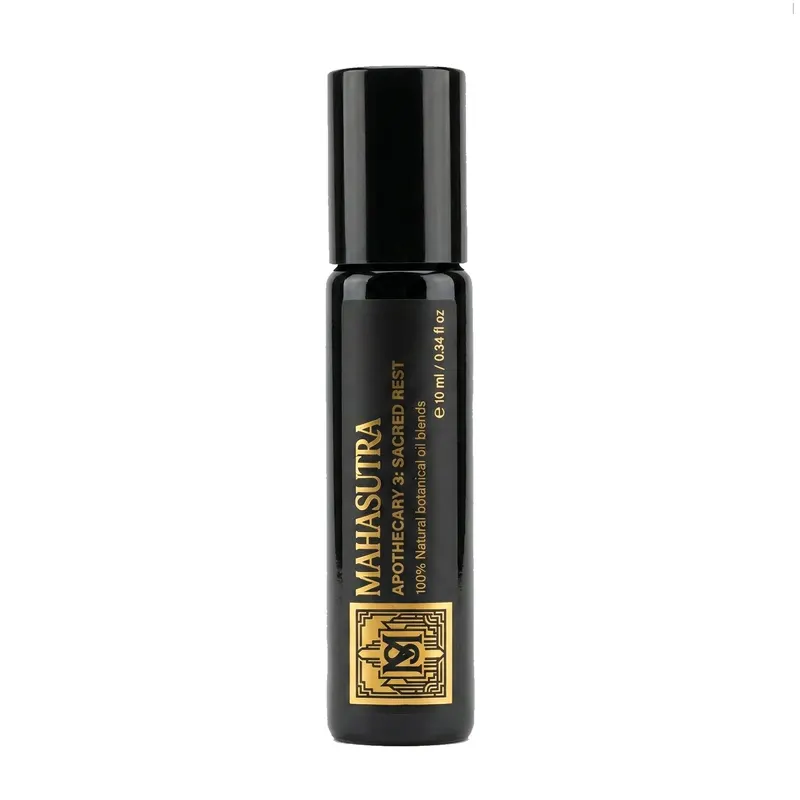
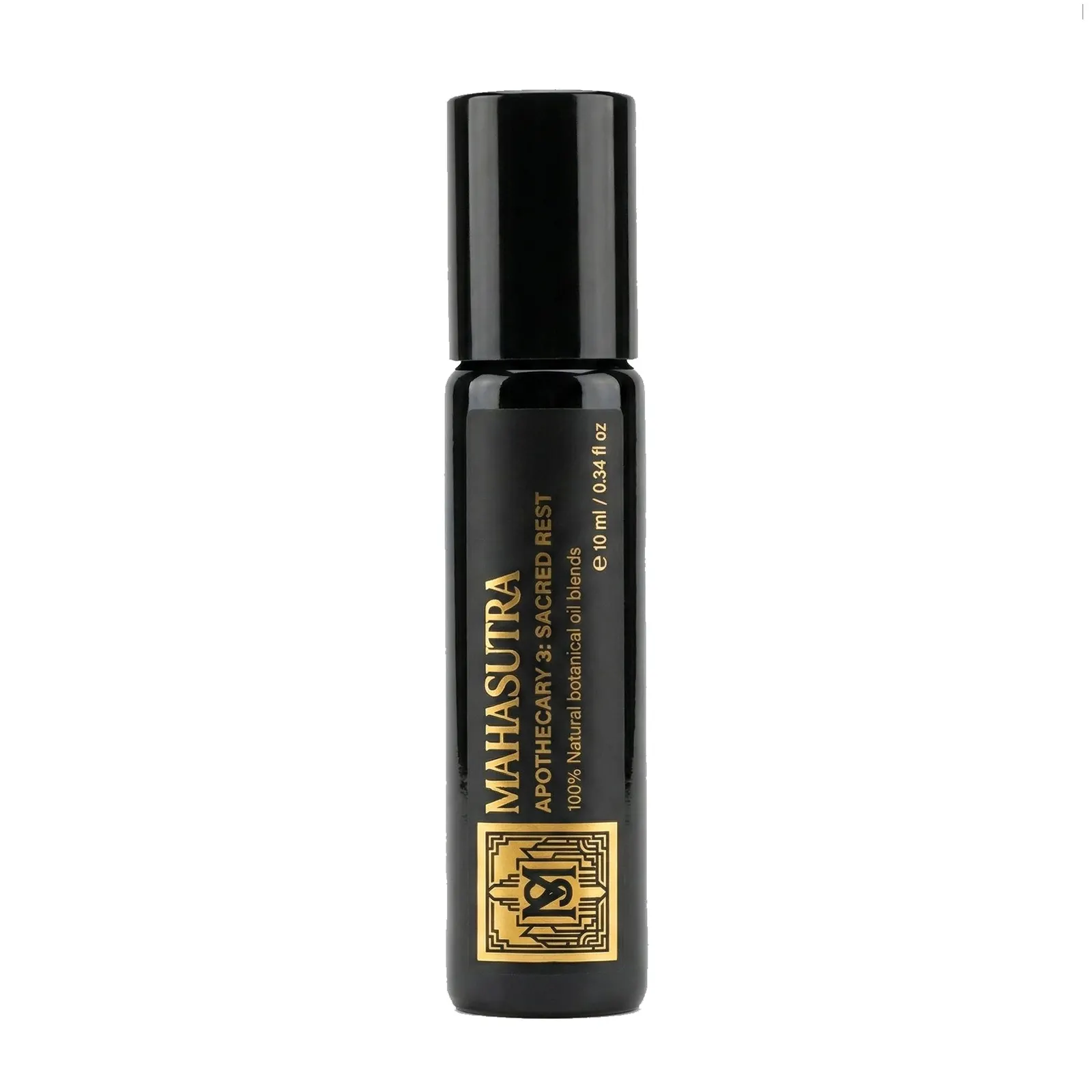
Vetiver is also available as a CO2 extract, which captures a rounder, more true-to-root profile. Our Sacred Rest Oil uses vetiver CO2 for exactly that depth.
Vetiver in perfume
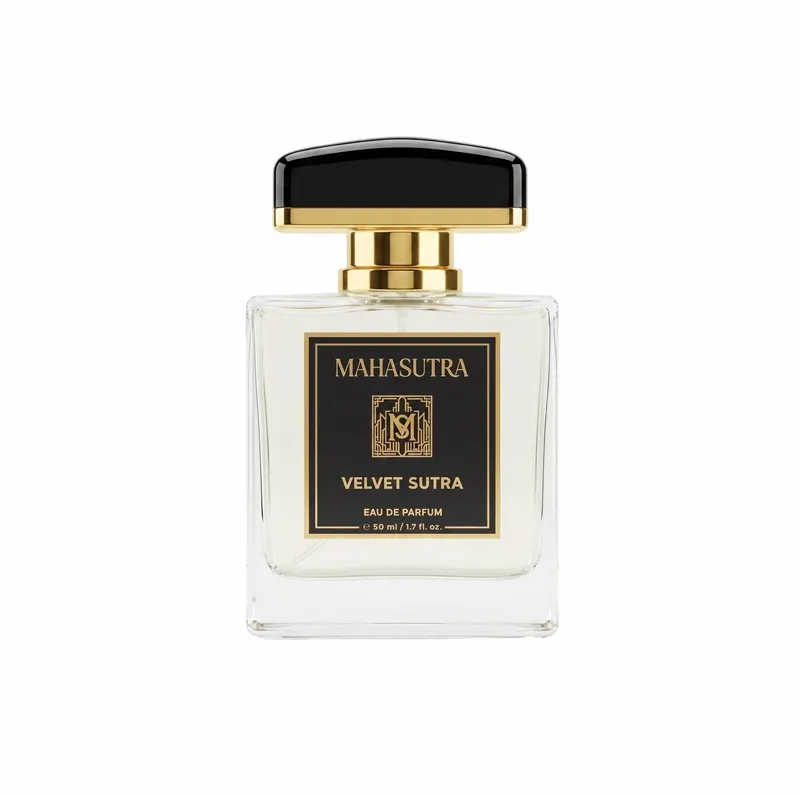
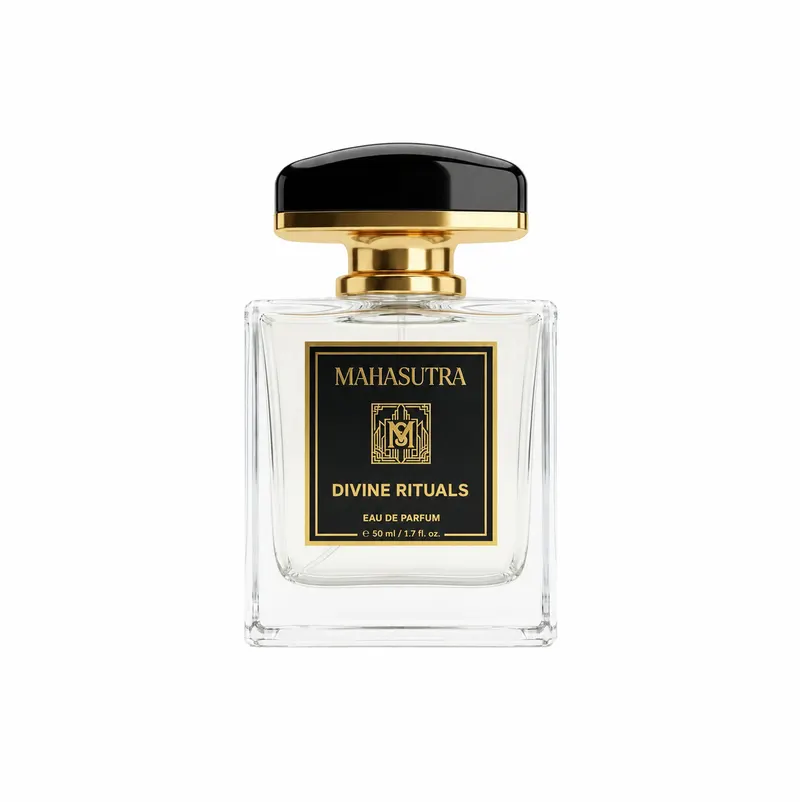
Vetiver is a fixative and base note, giving structure and length to citrus, floral and woody compositions. It is the backbone of many classic men's colognes, but it is just as at home in modern unisex perfumes. In our collection, it runs through the base of Divine Rituals, Velvet Sutra, Desert Oasis, Sacred Embers and others, where it pairs with sandalwood to keep fresh openings anchored. To understand how base notes work, read fragrance notes explained.
Vetiver in wellbeing blends
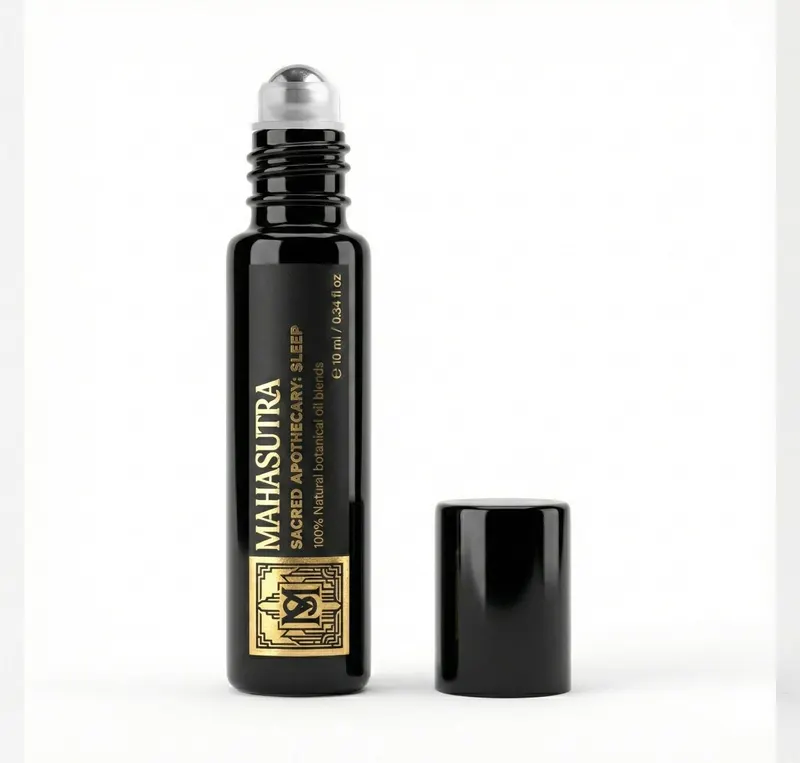
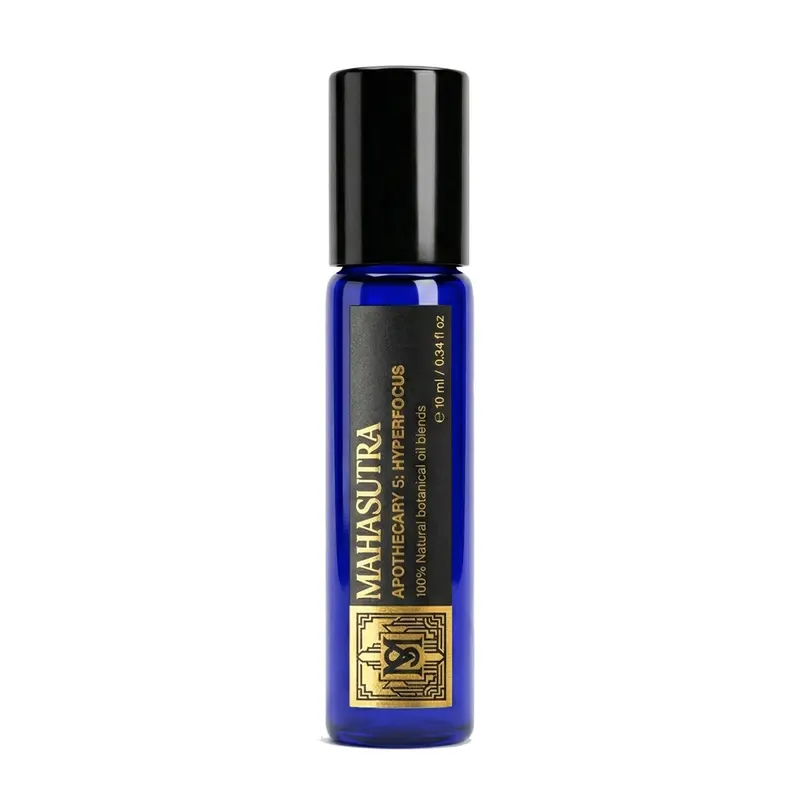
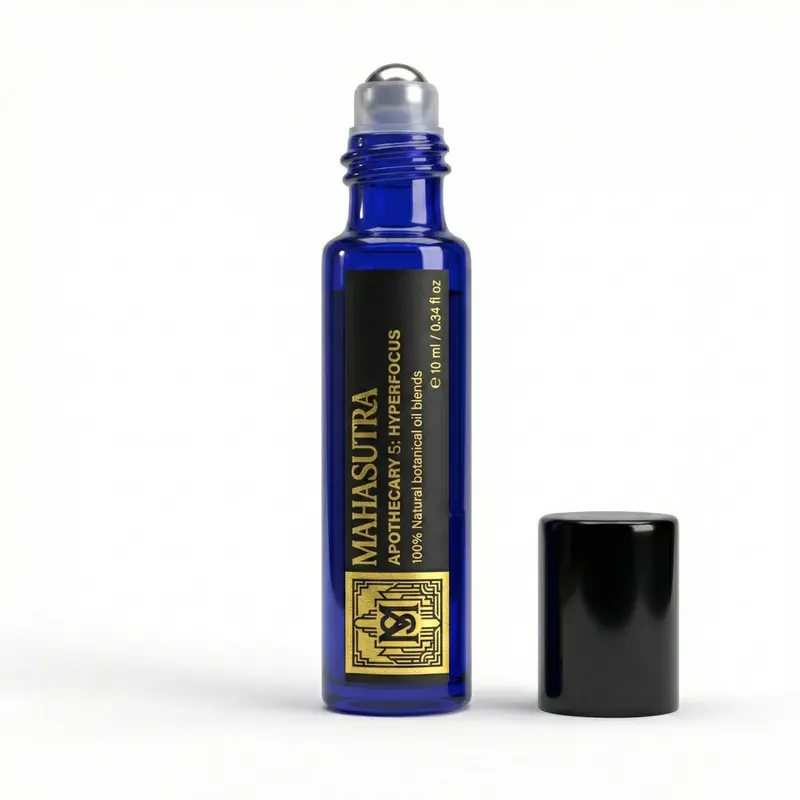
Vetiver is traditionally used in evening and grounding blends, and it pairs naturally with lavender, sandalwood, cedarwood and frankincense. There is some animal research on its effects on anxiety-like behaviour, but no good-quality human trials for sleep or anxiety. Use it for its scent and as part of a consistent routine; our guide to essential oils for sleep explains how to build one. In our Hyperfocus Oil, a touch of vetiver keeps bright rosemary and peppermint from feeling scattered.
How to use it
- Little is enough: start with one drop in a blend; vetiver easily dominates.
- Warm it if it is thick: vetiver can be very viscous. Rolling the bottle in your hands helps it flow.
- On skin: 1 to 2 per cent in a body oil. See our dilution chart.
- In a diffuser: one drop with lavender or citrus; it can clog ultrasonic diffusers if overused, so clean the reservoir afterwards.
Safety
Vetiver oil is considered low-risk and is rarely irritating when diluted. As with all essential oils, do not swallow it, keep it out of reach of children and pets, and patch-test if you have sensitive skin.
A good-news sustainability story
Unlike many root oils, vetiver is cultivated rather than wild-harvested, and the plant is renewable. The cultivars grown for oil and land management are generally sterile and non-invasive. Vetiver grass is planted around the world, promoted by the World Bank from the 1980s and later by The Vetiver Network International, to stabilise soil, prevent erosion and protect slopes and riverbanks. In Haiti, vetiver supports tens of thousands of smallholder farmers, which makes fair, traceable sourcing worth asking about.
Common questions
What does vetiver smell like?
Earthy, woody and rooty, with smoky, leathery and sometimes grapefruit-like facets. It is dry rather than sweet.
Is vetiver good for sleep?
It is traditionally used in grounding evening blends, but there are no good-quality human trials for sleep or anxiety.
Is vetiver sustainable?
Generally yes. It is cultivated, renewable, and the grass is widely planted to prevent soil erosion.
This guide is for general information and is not medical advice. Speak to a doctor or pharmacist before using essential oils if you are pregnant, breastfeeding, take regular medication, have epilepsy, asthma or a skin condition, or are using them on a child.
Sources
- Tisserand R, Young R. Essential Oil Safety, 2nd ed. 2014
- The Vetiver Network International