
Helichrysum (Immortelle) Essential Oil: What It Is, Why It's Costly and How to Use It
Immortelle is one of the most expensive and talked-about oils in skincare. Where it comes from, what makes it unusual, what the research does and doesn't show, and how to buy the real thing.
Helichrysum is one of the most expensive essential oils most people will ever buy, and one of the most talked about in skincare. Its common name, immortelle or everlasting, comes from its golden flowers, which keep their colour long after they are picked. Here is what the oil actually is, why it costs so much, what the research shows, and how to use it.
What helichrysum is
Helichrysum essential oil is steam-distilled from the flowering tops of Helichrysum italicum, a small, silver-leaved shrub of Mediterranean coasts and hillsides. The most prized oils come from Corsica; the Balkans, especially Bosnia and Herzegovina and Croatia, are major producers too. Several other Helichrysum species are sold under the same common name, including H. gymnocephalum from Madagascar, which has a very different, cineole-rich chemistry. Always check the Latin name.
Why it is so expensive
The plant yields very little oil, often well under one per cent by weight of flowering material, and much of it is still wild-harvested on rugged terrain. Demand from skincare brands has grown faster than supply, which has also made helichrysum a common target for adulteration with cheaper oils.
What it smells like
Helichrysum smells like warm hay, honey and curry leaf, with a dry, herbaceous edge. It is an acquired taste on its own. In blends it adds a golden, sunny depth, and it is used in fine perfumery for exactly that.
What is in it
The chemistry of Corsican-type H. italicum oil varies, but typical constituents include neryl acetate, alpha-pinene, gamma-curcumene and a group of unusual compounds called italidiones. The italidiones are distinctive to helichrysum and are often cited as one reason for its reputation in skincare.
What the evidence shows
Helichrysum's reputation, especially for bruises, scars and irritated skin, rests largely on traditional use in the Mediterranean and on practitioner experience. Laboratory studies have reported anti-inflammatory, antioxidant and antimicrobial activity for extracts and the oil. There are very few controlled trials in people, and none large enough to support medical claims about healing scars or bruises.
So the honest position is this: helichrysum is a well-tolerated oil with an interesting chemistry and a strong traditional following, often included in blends for skin that feels hot, tight or irritated. It is not a proven treatment for any skin condition.
How to use helichrysum
- In a face or body oil: 0.5 to 1 per cent on the face (one to two drops in 10 ml of carrier) and up to 2 per cent on the body. See our dilution chart.
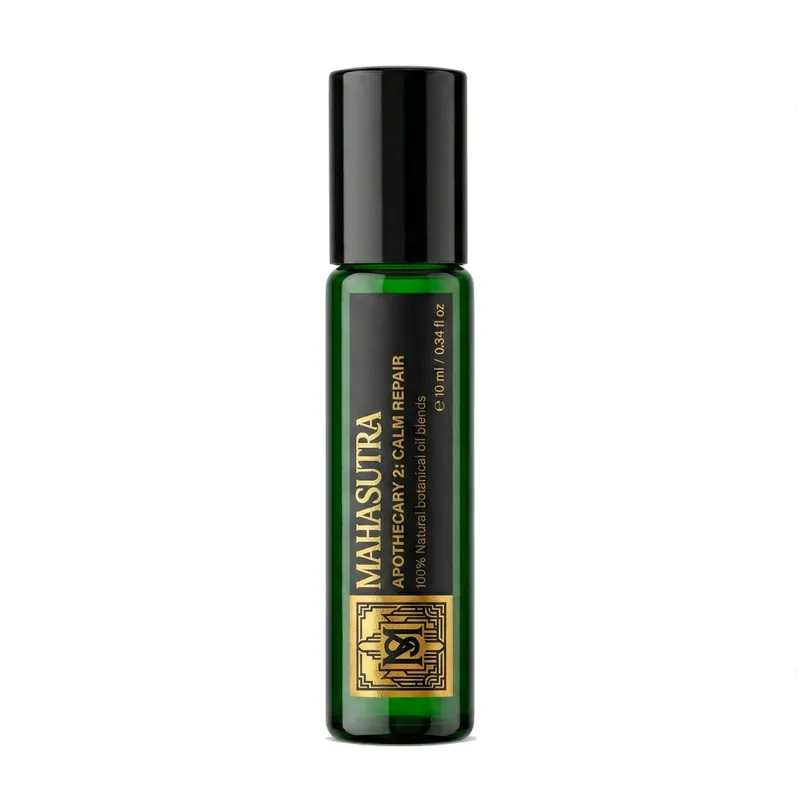
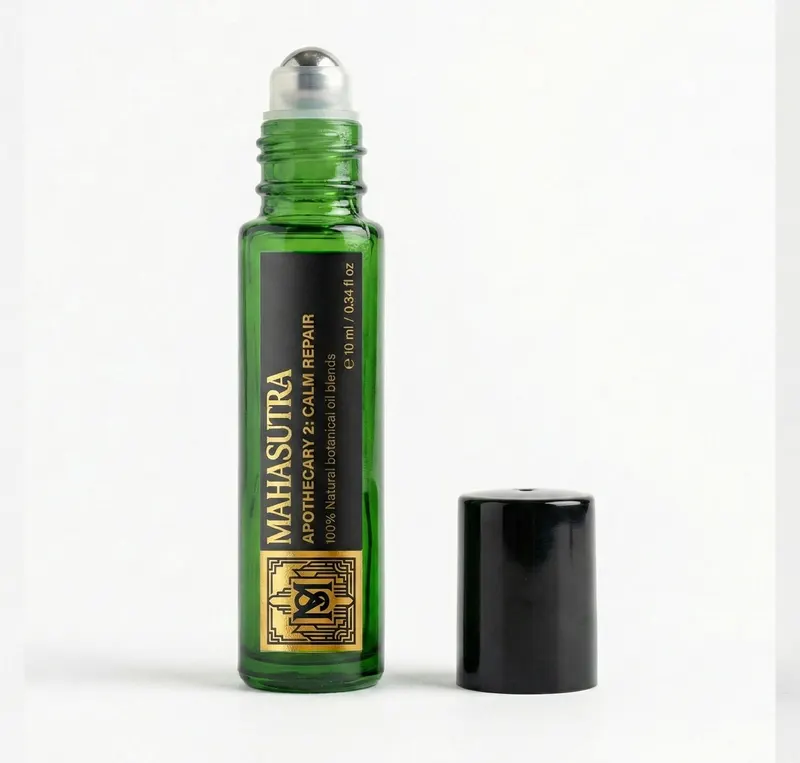
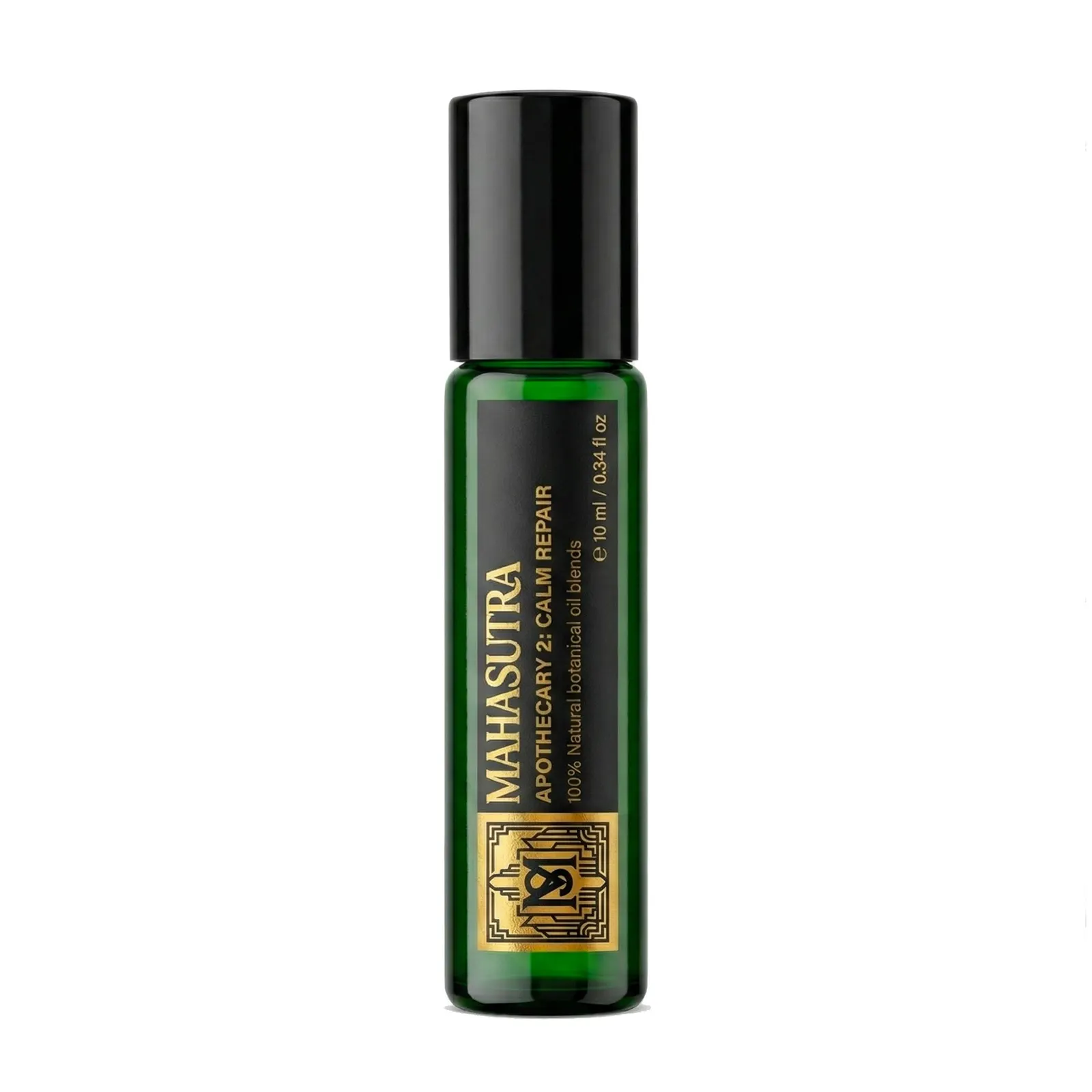
- In a calming roll-on: it blends well with lavender, German chamomile, blue tansy and copaiba. Our Calm Repair Oil combines helichrysum with lavender, German chamomile, blue tansy, copaiba balsam, tea tree and a touch of menthol for skin that feels hot or irritated.
- In perfume blends: a single drop adds warmth to citrus, lavender or woody blends.
Safety
Helichrysum italicum oil has no specific hazards listed in the standard safety reference, and skin reactions are uncommon. As with all oils, dilute before use, patch-test first if you have sensitive skin, and do not apply to broken skin or open wounds. People with allergies to plants in the daisy family (Asteraceae), which includes chamomile and ragweed, should take extra care.
Buying tip: genuine helichrysum is never cheap. Look for the full Latin name Helichrysum italicum, the country of origin, and a supplier who can show a batch analysis. A very low price usually means a diluted or substituted oil.
For the two blue oils that are often paired with helichrysum, read blue tansy versus German chamomile.
Common questions
What is helichrysum oil good for?
It is traditionally used in blends for skin that feels hot, tight or irritated. Laboratory studies are promising, but there are few human trials.
Why is helichrysum so expensive?
Low oil yield, wild harvesting on rough terrain and demand that outstrips supply.
What does helichrysum smell like?
Warm hay, honey and curry leaf, with a dry herbal edge.
This guide is for general information and is not medical advice. Speak to a doctor or pharmacist before using essential oils if you are pregnant, breastfeeding, take regular medication, have epilepsy, asthma or a skin condition, or are using them on a child.
Sources
- Tisserand R, Young R. Essential Oil Safety, 2nd ed. 2014