
Copaiba Oil: Beta-Caryophyllene, CB2 and What It Really Means
Copaiba's fame rests on one molecule, beta-caryophyllene, and one 2008 study that called it a dietary cannabinoid. What that study found, what it didn't, and how copaiba is used in blends.
Copaiba has gone from an obscure Amazonian resin to one of the most searched essential oils, largely because of one molecule and one headline: "a dietary cannabinoid". Here is what copaiba balsam oil is, what that headline actually meant, and how the oil is used in practice.
What copaiba is
Copaiba oil comes from the oleoresin of Copaifera trees, which grow across tropical South America, especially the Brazilian Amazon. Harvesters drill a hole into the trunk and collect the resin that flows out, then seal the hole so the tree can be tapped again in later years. Done properly, this is one of the more sustainable ways of harvesting a tree product, because the tree is not felled. The resin is then distilled to produce the essential oil.
The resin has been used in Amazonian traditional medicine for centuries, applied to the skin for wounds and inflammation.
What it smells like
Copaiba is soft and quiet: lightly woody, faintly peppery and sweet-balsamic. It is one of the gentlest-smelling essential oils, which makes it useful as a background note that rounds out sharper oils such as peppermint, eucalyptus or tea tree.
The beta-caryophyllene story
Copaiba oil is unusually rich in beta-caryophyllene, often making up around half of the oil or more, depending on species and source. Beta-caryophyllene is also found in black pepper, clove, rosemary, hops and cannabis.
In 2008, a team led by Jürg Gertsch at ETH Zurich published a study in the Proceedings of the National Academy of Sciences titled "Beta-caryophyllene is a dietary cannabinoid". They showed that beta-caryophyllene binds selectively to the CB2 receptor, part of the body's endocannabinoid system, which is involved in regulating inflammation. Given orally to mice with inflamed paws, it reduced swelling, and it had no effect in mice lacking the CB2 receptor.
Two points are often lost when this study is repeated:
- It is not psychoactive. Beta-caryophyllene does not bind the CB1 receptor, which is responsible for the "high" from cannabis. Copaiba oil contains no THC or CBD.
- It was a mouse study with oral dosing. It does not show that copaiba oil applied to skin or inhaled reduces inflammation in people. Human research on copaiba itself remains limited.
How copaiba is used
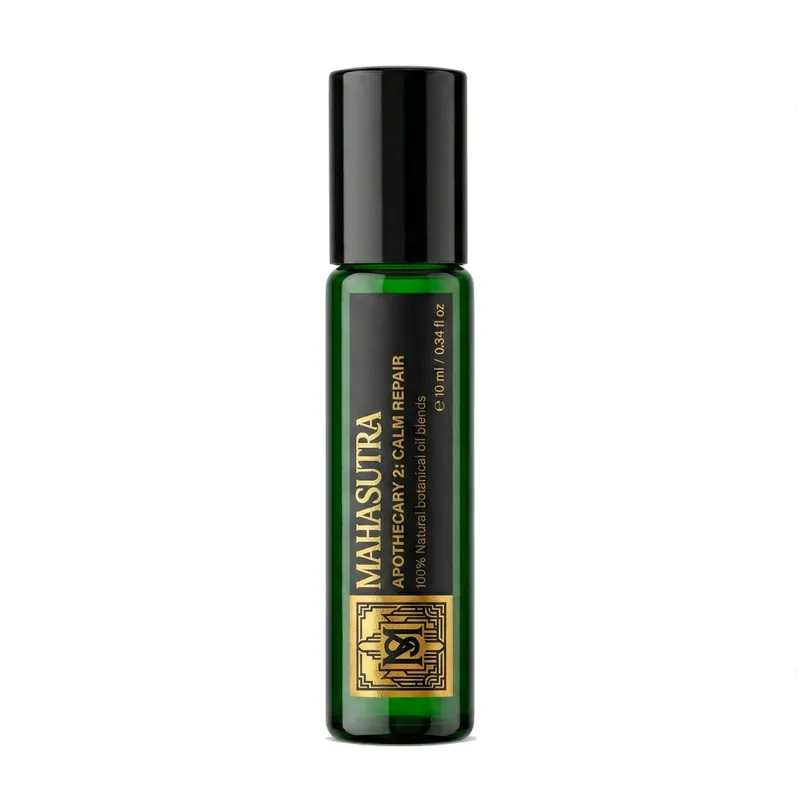
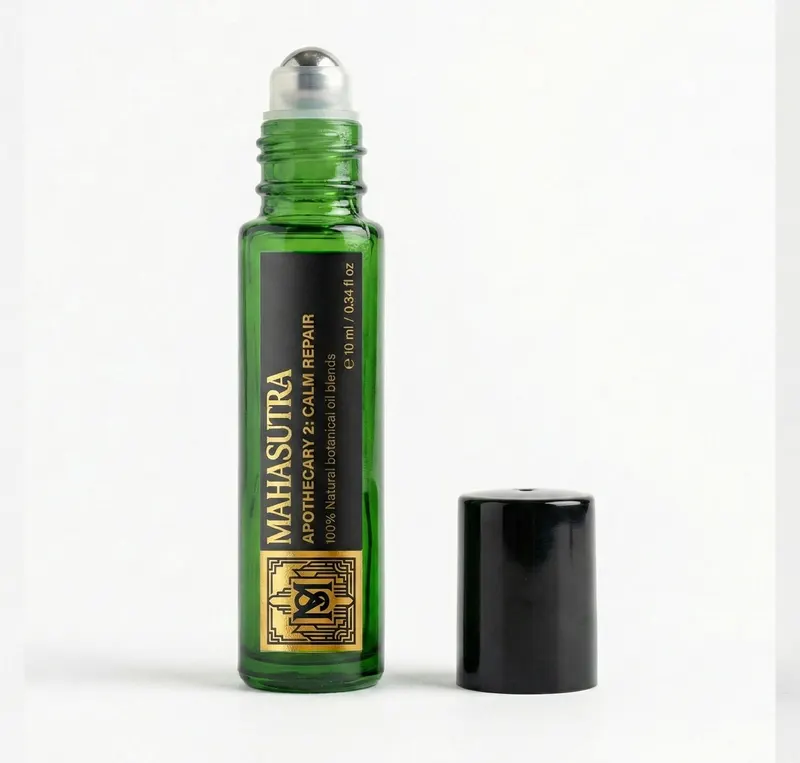
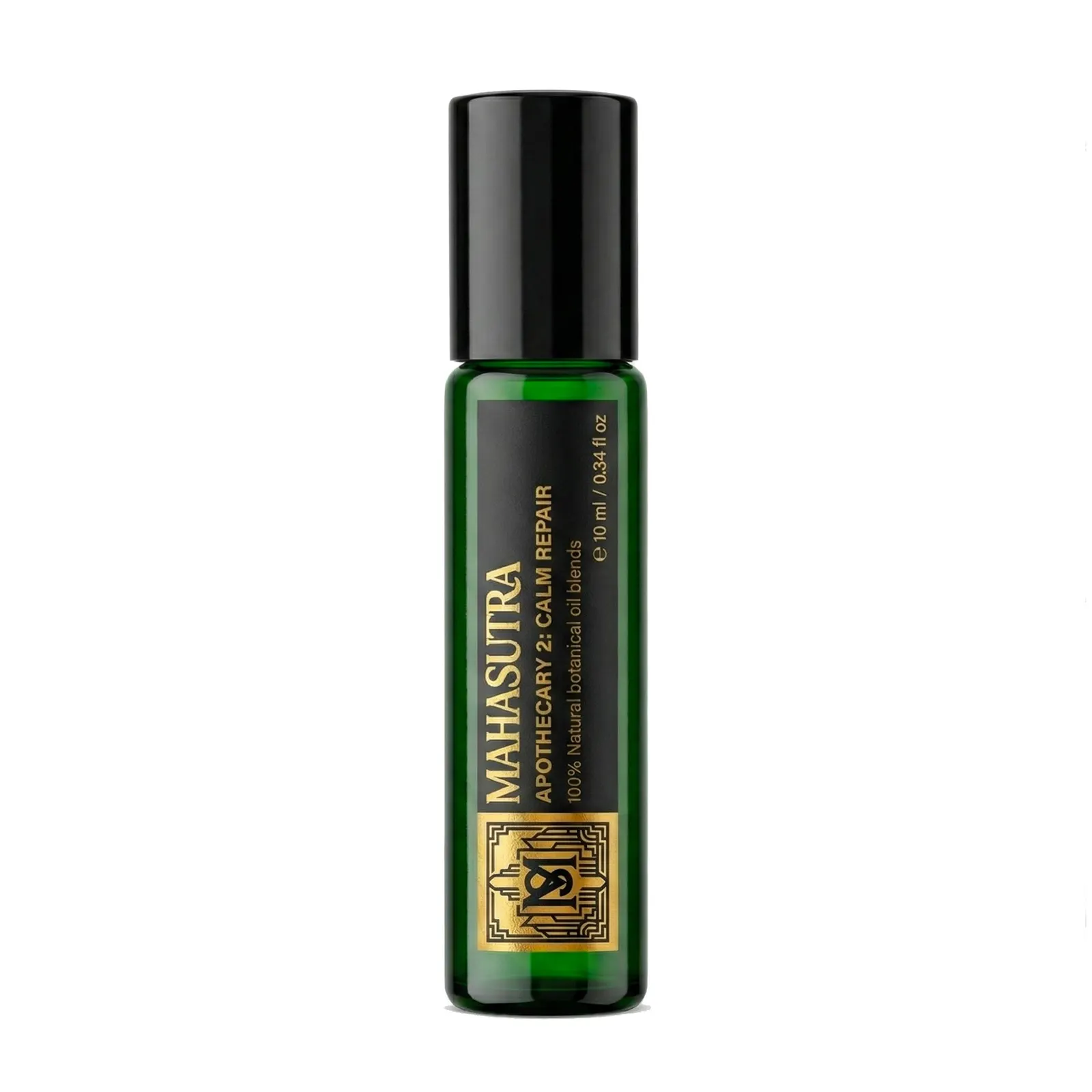
- In soothing skin blends: its mild scent and good skin tolerance make it a popular base in blends for skin that feels irritated. Our Calm Repair Oil pairs it with lavender, German chamomile, blue tansy and helichrysum.
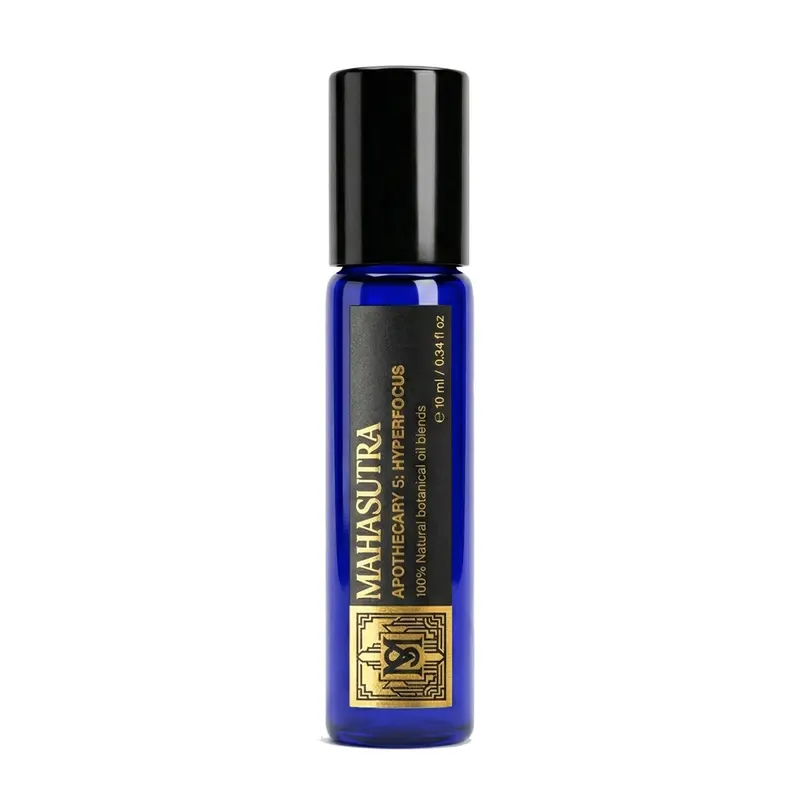
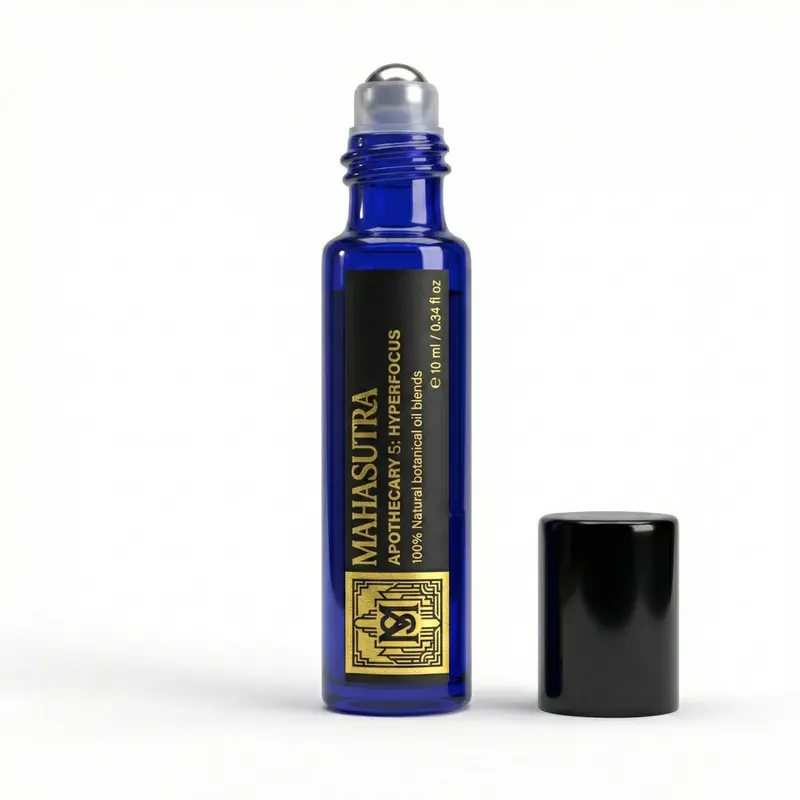
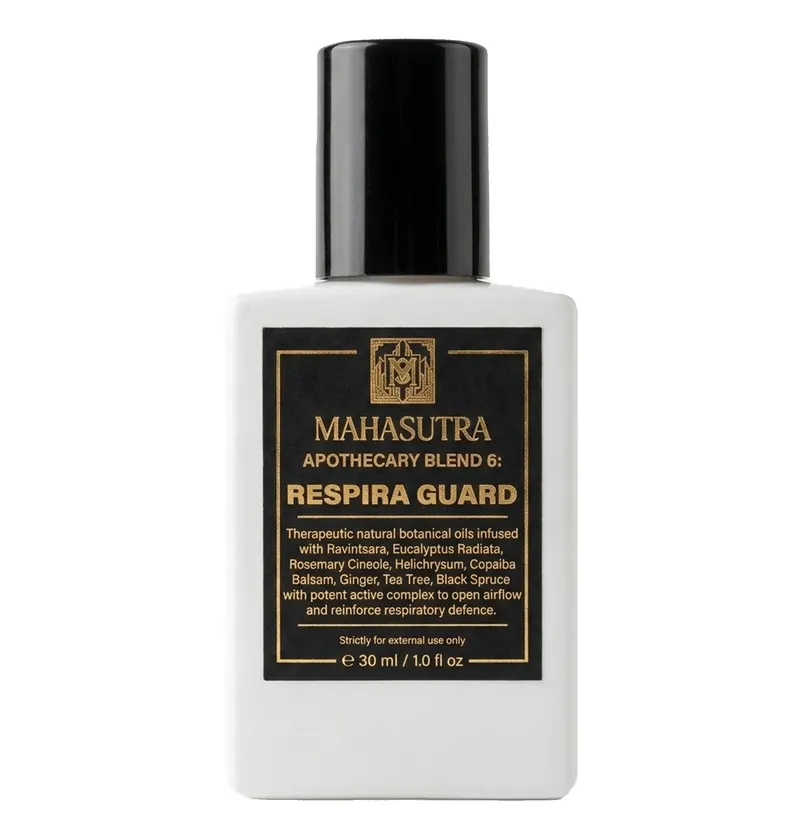
- To soften sharp blends: in our Hyperfocus Oil and Respira Guard Oil, copaiba balances the intensity of peppermint, rosemary and eucalyptus.
- In massage oils: 1 to 3 per cent in a carrier oil.
- As a perfume fixative: its resinous body helps lighter notes last longer.
Safety
Copaiba balsam oil is generally considered low-risk when diluted for skin use. Beta-caryophyllene can oxidise over time to compounds that are more likely to irritate or sensitise skin, so store the oil tightly closed, cool and away from light, and replace old oil that smells sharp or different. Do not swallow essential oils, and keep them away from pets.
Quality note: copaiba is sometimes sold as raw balsam (resin) and sometimes as distilled essential oil. They are different products. The distilled oil is thinner and more consistent; the balsam is thicker and contains heavier, non-volatile resin acids.
For other oils used in calming skin blends, see our guides to helichrysum and blue tansy and German chamomile.
Common questions
Does copaiba oil contain CBD or THC?
No. Its main compound, beta-caryophyllene, binds the CB2 receptor but is not psychoactive and is not a cannabis compound.
Is copaiba anti-inflammatory?
Beta-caryophyllene reduced inflammation in mice when given orally (Gertsch et al., 2008). Human evidence for copaiba oil itself is limited.
What does copaiba smell like?
Soft, lightly woody, faintly peppery and sweet-balsamic.
This guide is for general information and is not medical advice. Speak to a doctor or pharmacist before using essential oils if you are pregnant, breastfeeding, take regular medication, have epilepsy, asthma or a skin condition, or are using them on a child.