
Essential Oils for Sore Muscles: Menthol, Camphor and How Muscle Rubs Work
Menthol, camphor, eucalyptus, clove, ginger and pepper have been the backbone of muscle rubs for centuries. What each one does, what the evidence shows, and how to use a rub safely.
Warming and cooling muscle rubs are among the oldest uses of aromatic plants, from Chinese medicated oils to European liniments. The ingredients have changed surprisingly little: menthol, camphor, eucalyptus, clove, ginger, pepper. Here is what each one does, what the evidence shows, and how to use a muscle rub well.
Cooling versus warming
Most muscle rubs are built on counterirritants: ingredients that create a strong sensation on the skin, cool or warm, which competes with and dulls the sensation of aching muscles underneath. This is the "gate control" idea of pain: busy nerve pathways carry less of the deeper ache.
| Ingredient | Sensation | Notes |
| Menthol (from mint) | Cooling, then mildly warming | Activates cold receptors (TRPM8); approved as a topical pain-relief ingredient in many countries |
| Camphor | Cooling and warming | Classic liniment ingredient; toxic if swallowed |
| Peppermint oil | Cooling | Rich in natural menthol |
| Eucalyptus and rosemary | Fresh, penetrating | Cineole-rich; adds the classic "sports rub" smell |
| Ginger CO2 extract | Gentle warmth | Contains gingerols, which give ginger its heat |
| Black pepper | Warm | Spicy, stimulating aroma |
| Clove bud | Warm, numbing | Rich in eugenol, long used for toothache; can irritate skin, so used at low levels |
What the evidence says
Topical menthol is the best-studied ingredient. Several small trials have found that menthol gels reduce perceived muscle soreness and pain compared with placebo or ice in the short term, and menthol is an approved active ingredient in over-the-counter pain-relief rubs in several countries. For the essential oils themselves, evidence is thinner and mostly comes from massage studies, where it is hard to separate the oil from the benefit of massage itself.
That is the honest picture: a good muscle rub gives real, short-term comfort through sensation, warmth and the act of massage. It does not repair muscle or replace rest, and it is not a treatment for injury.
How to use a muscle rub
- Apply to clean, unbroken skin over the sore area and massage in with firm strokes for a minute or two. The massage matters as much as the oil.
- After training, apply once you have cooled down and showered. After long desk days, focus on the neck, shoulders and lower back.
- Wash your hands afterwards, especially before touching your eyes.
- Do not use with heat pads or immediately after a hot shower on the same area, and do not cover with tight bandages. Combining heat with strong counterirritants can burn the skin.
- Reapply two or three times a day if needed.
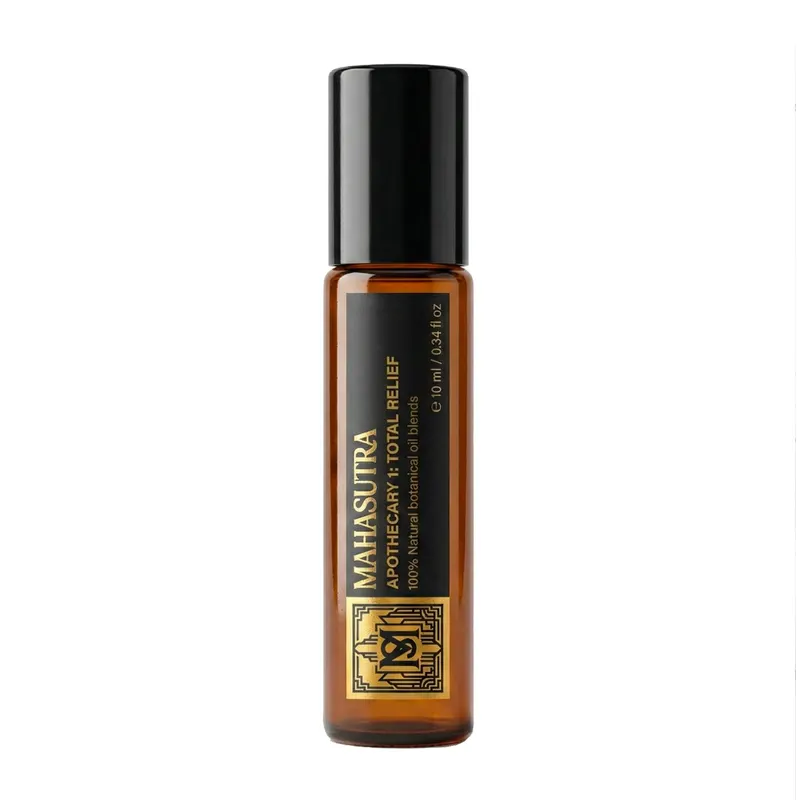
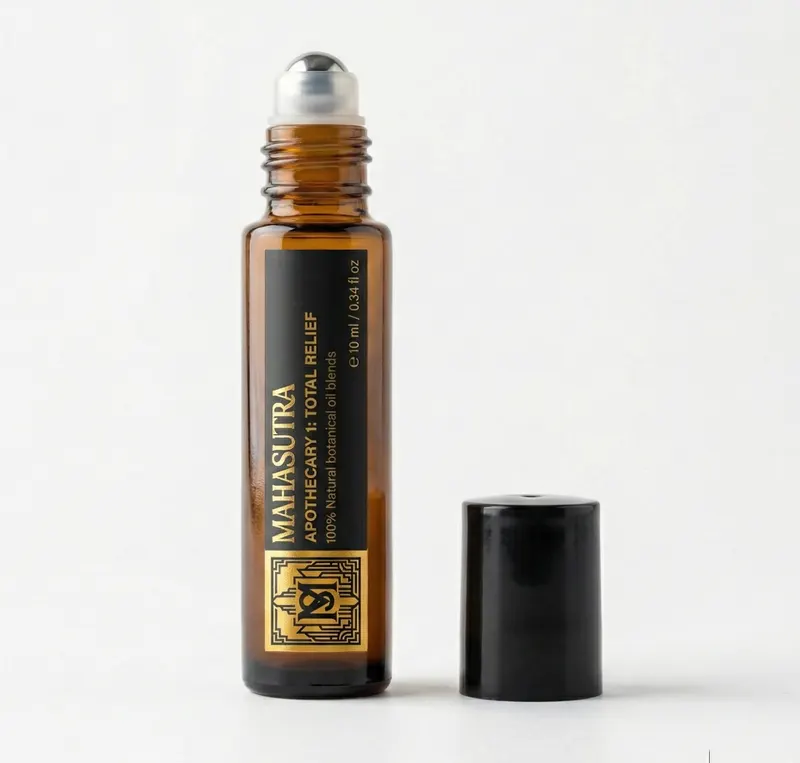
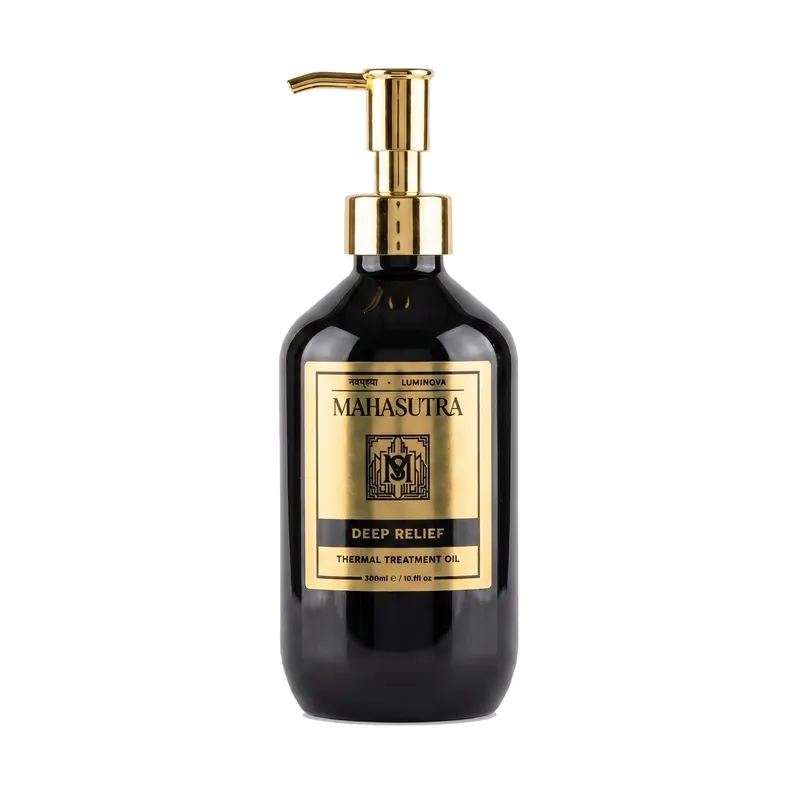
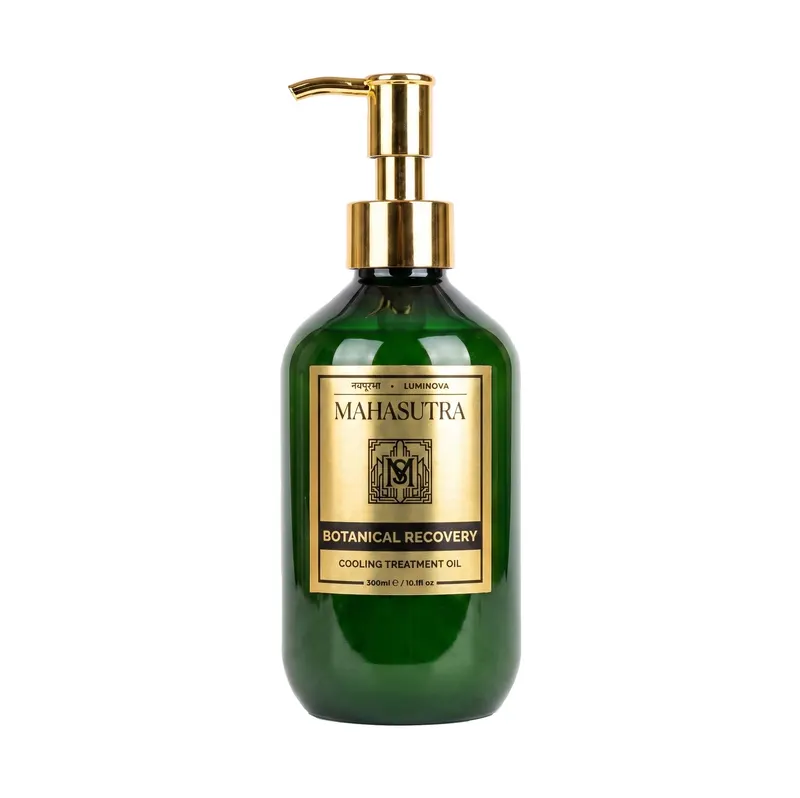
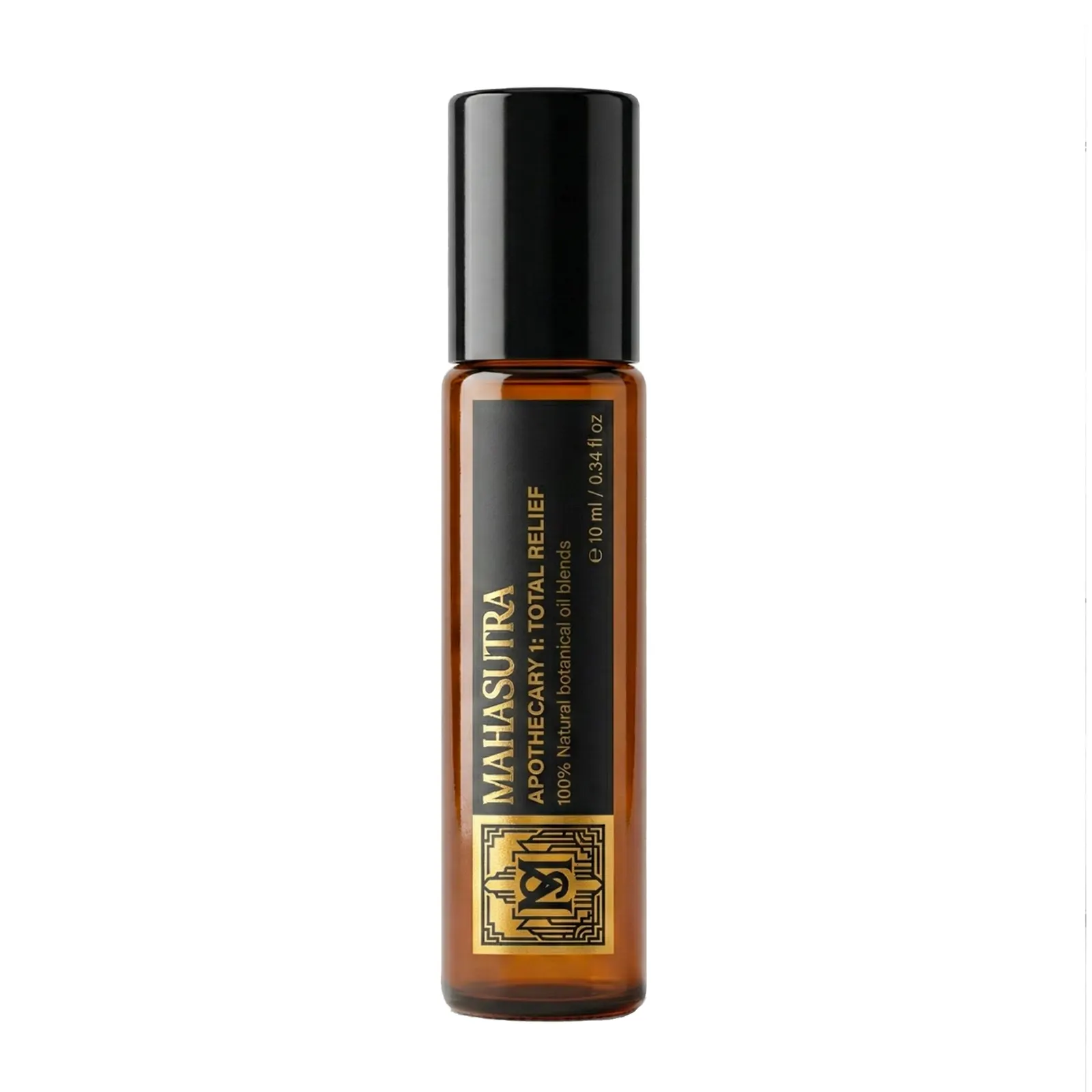
Our Total Relief Oil is a warming roll-on that combines menthol crystals, camphor, peppermint, eucalyptus, rosemary, ginger CO2, black pepper and clove bud in a carrier with vitamin E. For professional massage, our Deep Relief Thermal Treatment Oil and Botanical Recovery Cooling Treatment Oil are made for spa use.
Safety
- Never swallow muscle rubs. Camphor and wintergreen (methyl salicylate) products have caused serious poisoning, especially in children.
- Do not use camphor or menthol products on babies and young children.
- Avoid broken, irritated or sunburnt skin.
- People with epilepsy should avoid camphor-containing products unless their doctor agrees.
- Stop if the skin becomes red, blistered or painful.
See a doctor or physiotherapist for pain after an injury, swelling, pain that wakes you at night, numbness or tingling, or soreness that lasts more than a week or two.
If tight neck muscles bring on headaches, our guide to peppermint oil for headaches covers one of the best-supported uses of menthol.
Common questions
What essential oils are good for sore muscles?
Peppermint (menthol), eucalyptus, rosemary, ginger, black pepper and clove are the classic muscle-rub oils, usually with menthol or camphor.
Do muscle rubs actually work?
They give short-term relief through cooling or warming sensations that compete with the ache, plus the benefit of massage. They don't repair muscle.
Can I use a heat pad with a muscle rub?
No. Combining heat with strong counterirritants can burn the skin.
This guide is for general information and is not medical advice. Speak to a doctor or pharmacist before using essential oils if you are pregnant, breastfeeding, take regular medication, have epilepsy, asthma or a skin condition, or are using them on a child.
Sources
- Tisserand R, Young R. Essential Oil Safety, 2nd ed. 2014
- Eccles R. Menthol and related cooling compounds. Journal of Pharmacy and Pharmacology, 1994;46(8):618–630