
Peppermint Oil for Headaches: What the Clinical Trials Show
In a double-blind trial, peppermint oil on the forehead relieved tension headaches about as well as 1,000 mg of paracetamol. What the study found, which headaches it helps, and how to apply it.
Rubbing peppermint oil on your temples is one of the oldest home remedies for a headache. Unusually for an essential oil remedy, it has been tested in proper clinical trials, and the results are better than you might expect for one specific kind of headache. Here is what the evidence shows and how to use it.
The key study
The most cited research comes from Hartmut Göbel and colleagues at the University of Kiel in Germany. In a 1996 randomised, double-blind, placebo-controlled trial published in Der Nervenarzt, 41 people with tension-type headaches treated 164 separate headache episodes. Each episode was treated with either a 10 per cent peppermint oil solution in ethanol, painted across the forehead and temples, or a placebo solution, combined with either 1,000 mg of paracetamol (acetaminophen) or a placebo tablet.
The results:
- Peppermint oil reduced headache intensity significantly more than placebo, with the difference visible within 15 minutes.
- Its effect was not significantly different from 1,000 mg of paracetamol.
- No side effects were reported from the peppermint oil.
Earlier experimental work by the same group suggested the mechanism: menthol triggers the skin's cold receptors and relaxes muscle tension in the scalp, which may change how pain signals are processed. Later reviews of non-drug headache treatments have generally treated topical peppermint as one of the better-supported options for tension-type headache, while noting that the evidence base is small.
What kind of headache it helps
The research is on tension-type headache: the common band-like, pressing pain across the forehead or around the head, often linked to stress, screen time, poor posture or tiredness. There is much less evidence for migraine, and none for headaches caused by illness, injury or high blood pressure.
Get medical help for a sudden, severe headache; a headache with fever, stiff neck, confusion, weakness, or changes in vision or speech; a headache after a head injury; or headaches that are new, frequent or getting worse.
How to use peppermint oil for a headache
- Use a diluted product. The trial used a 10 per cent solution. Undiluted peppermint oil can irritate skin and is too strong near the eyes. A pre-diluted roll-on is the easiest option.
- Apply across the forehead and temples, in a broad stripe from the centre of the forehead outwards, and to the back of the neck if your neck feels tight. Keep well away from the eyes; menthol vapour stings.
- Repeat after 15 minutes if needed, as the trial did.
- Wash your hands before touching your eyes or contact lenses.
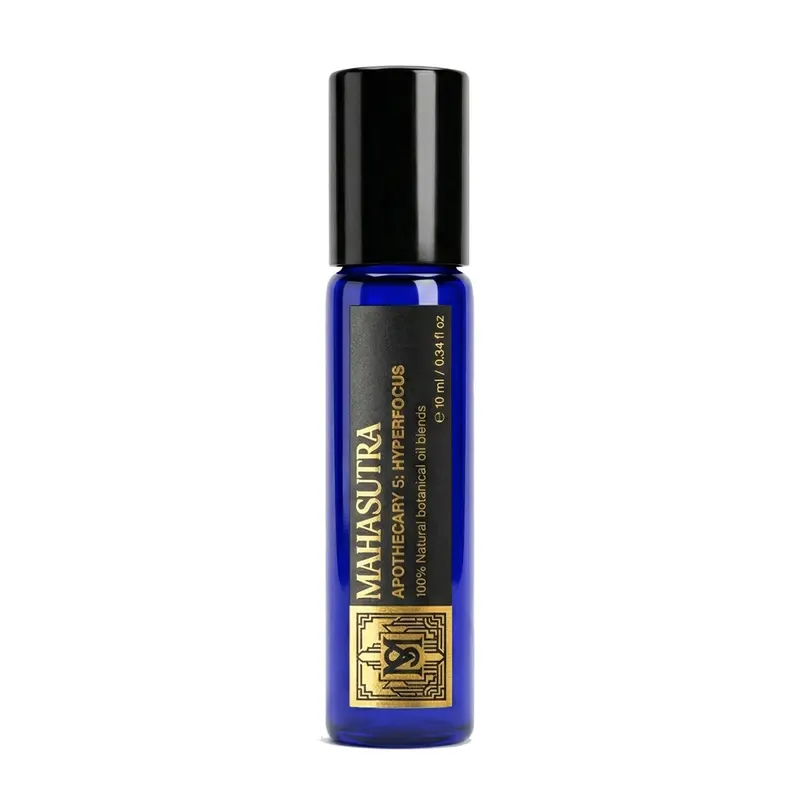
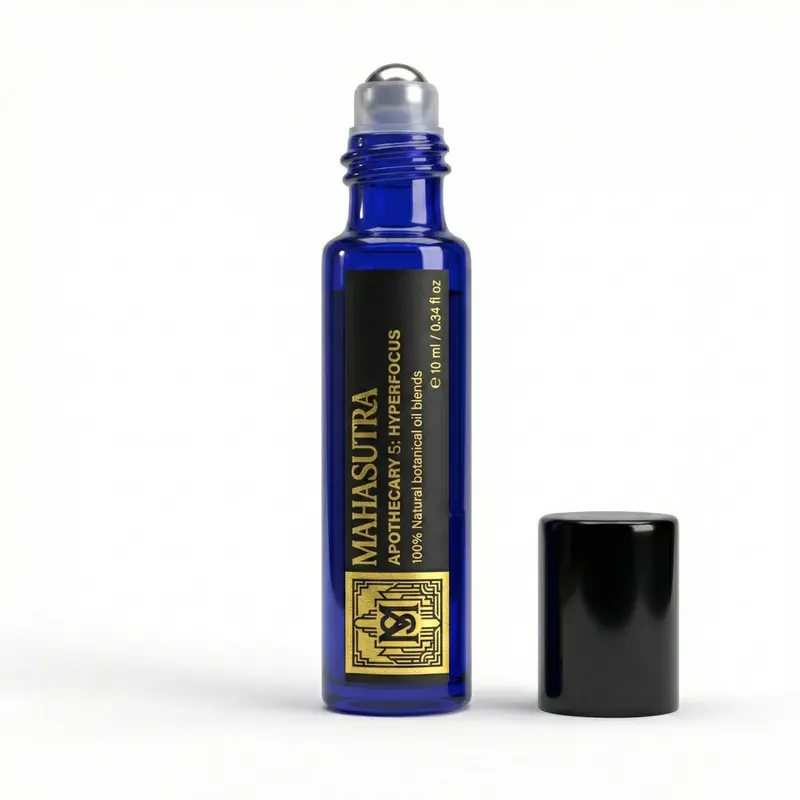
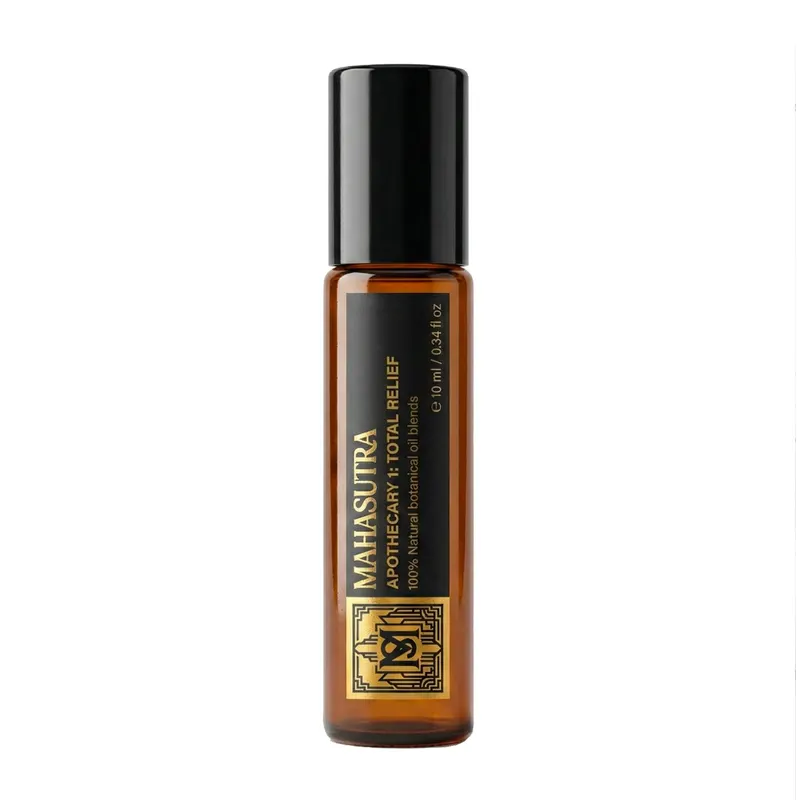
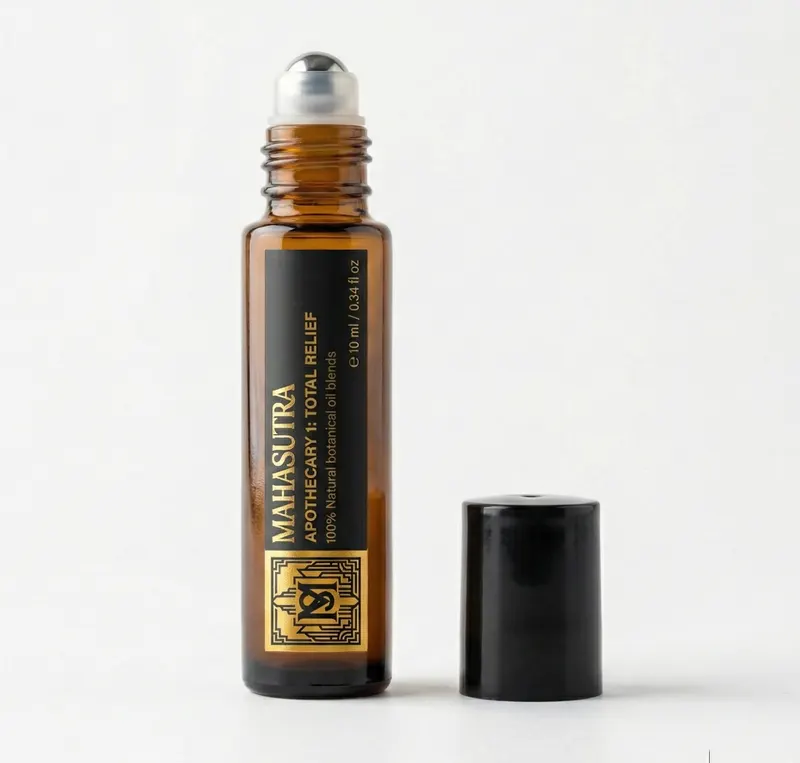
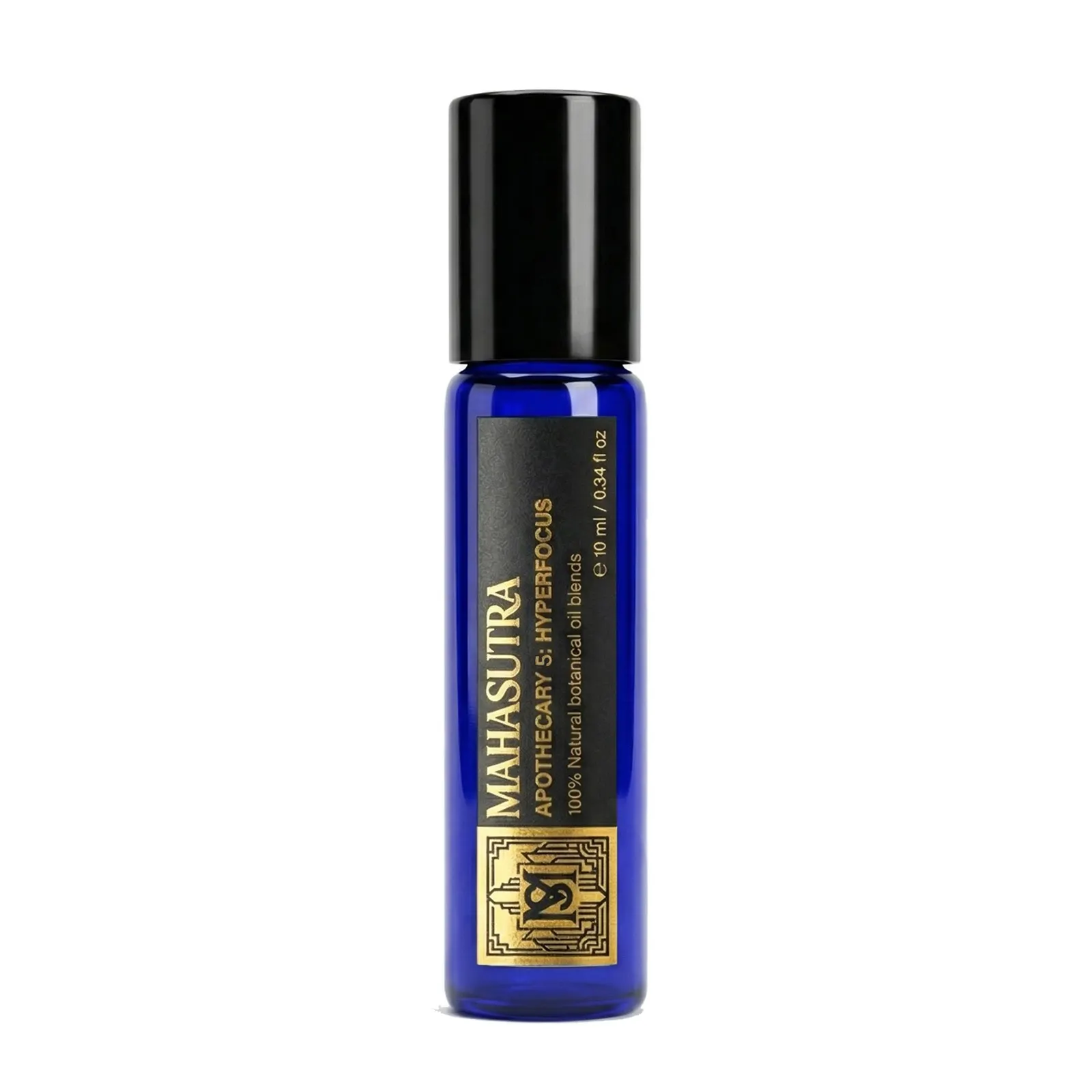
Our Hyperfocus Oil combines peppermint and menthol with rosemary cineole and grapefruit, designed for long work and study days when screen fatigue sets in. For tight neck and shoulder muscles that come with tension headaches, our Total Relief Oil is a warming massage roll-on with peppermint, menthol, camphor and ginger.
Who should avoid it
- Babies and young children: never apply peppermint oil to or near their face. Menthol can cause breathing problems in young children.
- People with sensitive or broken skin on the area.
- Anyone who finds that strong scents trigger their headaches or migraines; for some people, fragrance itself is a trigger.
- Do not swallow peppermint essential oil. Peppermint oil capsules for digestive problems are a separate, regulated product.
Making it work better
The Göbel trial measured peppermint against a single painkiller dose, but tension headaches usually have causes worth addressing too. Drink water, look away from screens every 20 minutes, loosen your jaw and shoulders, and get outside if you can. Many people find that the ritual itself, stopping, applying a cool oil and taking a few slow breaths, is part of what helps. If you use scent to support focus as well, read our guide to rosemary oil for focus.
Common questions
Does peppermint oil work for headaches?
For tension-type headaches, a 1996 double-blind trial found a 10% peppermint oil solution on the forehead and temples worked significantly better than placebo and about as well as 1,000 mg of paracetamol.
Where do you apply peppermint oil for a headache?
In a broad stripe across the forehead and temples, and the back of the neck if tight, keeping well away from the eyes. Use a diluted product.
Does peppermint oil help migraines?
The evidence is mainly for tension-type headache. There is much less evidence for migraine, and for some people scent can be a trigger.
This guide is for general information and is not medical advice. Speak to a doctor or pharmacist before using essential oils if you are pregnant, breastfeeding, take regular medication, have epilepsy, asthma or a skin condition, or are using them on a child.
Sources
- Göbel H et al. Effectiveness of Oleum menthae piperitae and paracetamol in therapy of headache of the tension type. Der Nervenarzt, 1996;67(8):672–681
- Göbel H et al. Effect of peppermint and eucalyptus oil preparations on neurophysiological and experimental algesimetric headache parameters. Cephalalgia, 1994;14(3):228–234