
Parfum vs Eau de Parfum vs Eau de Toilette: Concentrations Explained
Parfum, EDP, EDT and cologne describe how concentrated a fragrance is, but the labels aren't legally defined and concentration isn't the whole story. What each means and how to choose.
Parfum, eau de parfum, eau de toilette, eau de cologne: the names on perfume bottles describe how concentrated the fragrance is. That affects how long it lasts, how far it projects and how much you pay. But the labels are less precise than most people assume, and concentration alone doesn't tell you how a perfume will perform. Here is what each one means and how to choose.
What the names mean
Every perfume is a blend of aromatic materials, the fragrance concentrate, dissolved in a carrier, usually perfumer's alcohol with a little water. The name tells you roughly what share of the bottle is fragrance concentrate.
| Name | Typical concentration | Typical longevity on skin |
| Parfum / extrait de parfum | About 20–40% | 8 hours or more |
| Eau de parfum (EDP) | About 15–20% | 6–8 hours |
| Eau de toilette (EDT) | About 5–15% | 3–5 hours |
| Eau de cologne (EDC) | About 2–5% | 1–3 hours |
| Body mist / eau fraîche | Below about 3% | Around an hour |
These are industry conventions, not legal definitions. There is no international law that says an eau de parfum must contain a set percentage. Each house sets its own levels, so one brand's EDT can outlast another's EDP.
Concentration isn't the whole story
How long a perfume lasts depends just as much on what it is made of as on how much of it there is:
- Base notes last longer than top notes. A citrus cologne will fade faster than a woody amber at the same concentration, because citrus molecules are small and evaporate quickly, while woods, resins and musks are heavy and slow. Our guide to fragrance notes explains why.
- Climate matters. Heat speeds up evaporation, and humidity changes how scent projects. Read how to make perfume last longer in a humid climate.
- Skin matters. Fragrance clings better to moisturised skin than to dry skin.
- Your nose adapts. After a few minutes you stop noticing your own perfume, even when others still can.
Longevity versus projection
Two different things are often confused:
- Longevity: how long the scent stays detectable on your skin.
- Projection and sillage: how far the scent radiates around you, and the trail it leaves.
Higher concentrations usually last longer, but they don't always project further. Alcohol helps throw scent into the air as it evaporates, so a spray often projects more than the same fragrance in oil.
What about perfume oils?
Perfume oils, also called attars or oil parfums, replace alcohol with a carrier oil. They sit closer to the skin, project less and often last longer. Our Parfum Absolute is this style: an alcohol-free perfume oil in a 30 ml roll-on. Our Eau de Parfum is an alcohol-based spray in 50 ml and 100 ml, made for more projection and a fuller trail. Compare the two in perfume oil versus spray.
How to choose
| If you want… | Choose |
| All-day wear with one application | Eau de parfum or parfum |
| A light scent for heat, the gym or the office | Eau de toilette or cologne |
| A noticeable trail and compliments across a room | Eau de parfum spray |
| An intimate scent only people close to you notice | Perfume oil or parfum |
| To layer and reapply through the day | A roll-on perfume oil in your bag |
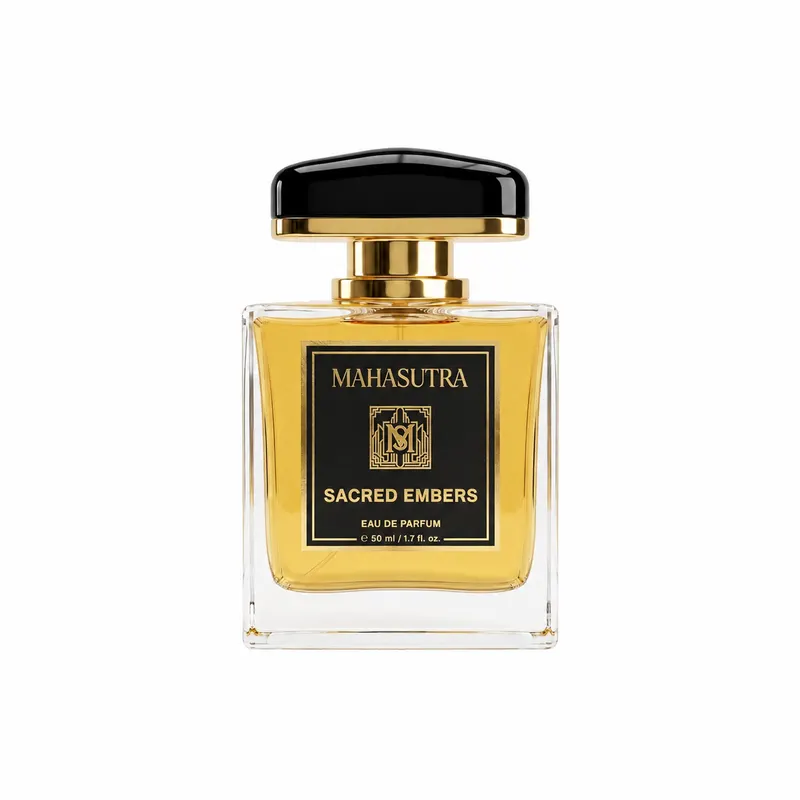
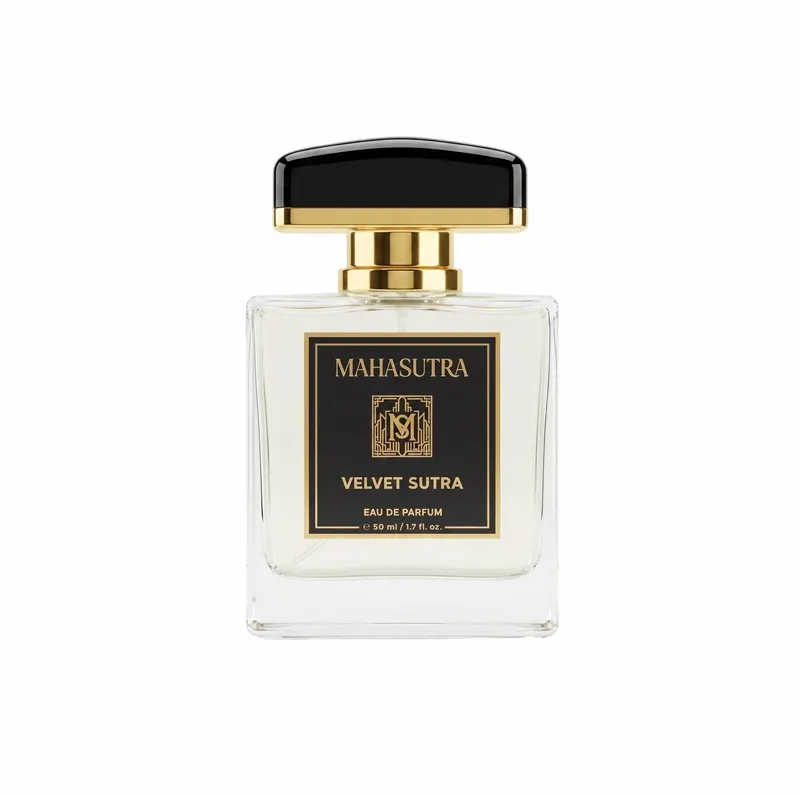
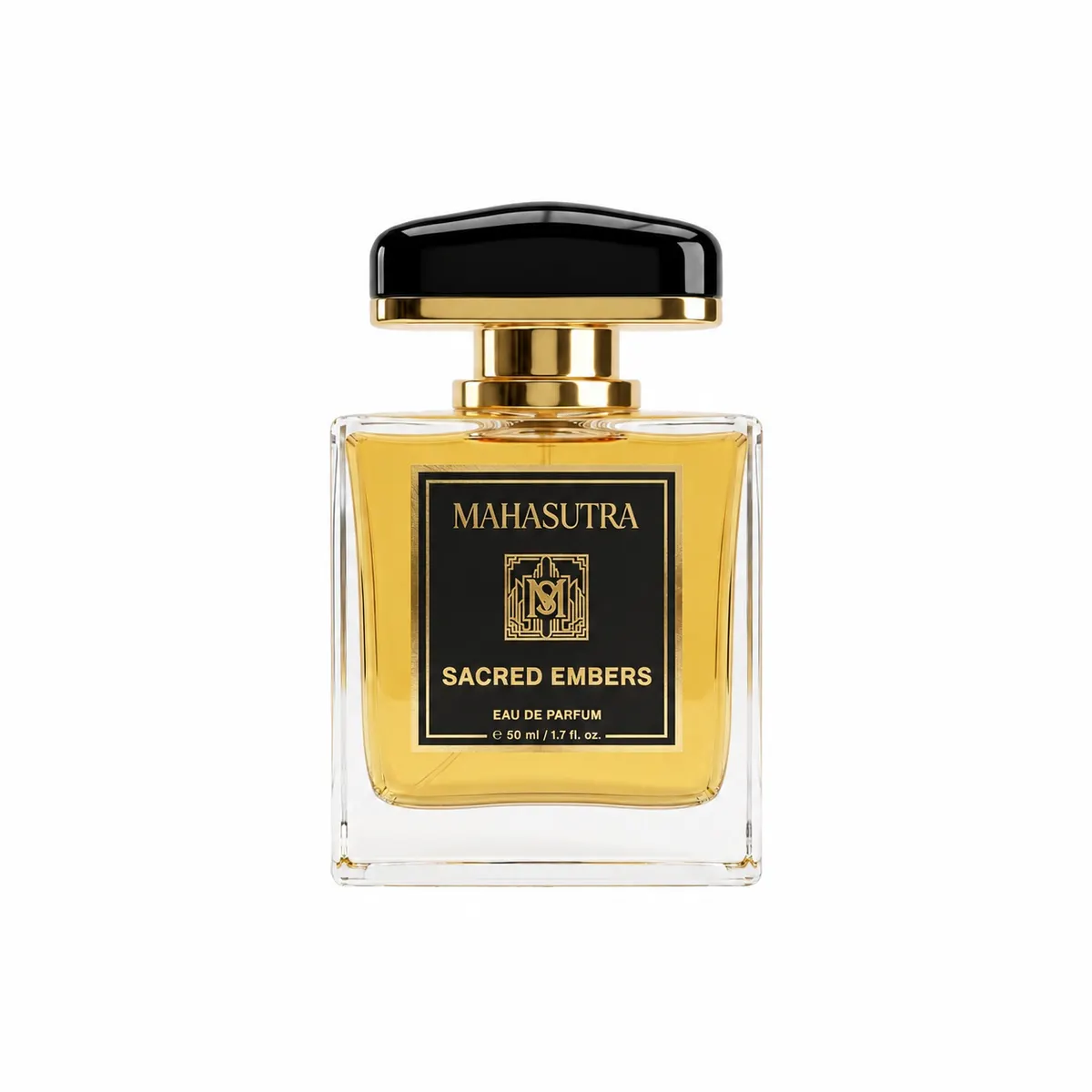
Every fragrance in our collection, from Sacred Embers to Velvet Sutra, comes in both formats, so you can choose the same scent for daytime spray and evening oil.
Price per wear: a higher concentration usually costs more per bottle but needs fewer sprays. Two sprays of an eau de parfum often outlast four of an eau de toilette.
Common questions
Which lasts longer, EDP or EDT?
Usually eau de parfum, which typically contains about 15 to 20% fragrance concentrate versus about 5 to 15% for eau de toilette. Composition and climate also matter.
Is parfum stronger than eau de parfum?
Parfum or extrait is more concentrated and usually lasts longer, but often sits closer to the skin.
Are perfume concentrations regulated?
No. They are industry conventions, so one brand's EDT can outlast another's EDP.