
Are Scented Candles Toxic? What the Research Actually Shows
Candles aren't harmless, but they aren't 'as bad as smoking' either. What a burning candle releases, what controlled studies found, and six habits that keep your indoor air cleaner.
Headlines regularly warn that scented candles are "toxic" and as bad as second-hand smoke. Candle brands respond that theirs are "100% clean". Neither is quite right. Any flame produces combustion by-products, and fragrance adds a few more, but controlled research suggests that normal use in a ventilated room keeps most exposures low. Here is what the science shows, and how to enjoy candles with the least impact on your indoor air.
What a burning candle releases
Every flame, whether candle, gas hob or incense, produces carbon dioxide and water, plus small amounts of:
- Fine and ultrafine particles (soot), especially when a flame flickers, is in a draught, or is put out.
- Nitrogen dioxide, which forms in any hot flame.
- Volatile organic compounds, including traces of formaldehyde, acetaldehyde and benzene.
- Fragrance compounds, the scent itself, such as limonene and linalool.
What the best research found
In a 2021 study in Environment International, scientists at Germany's Fraunhofer Institute burned 24 different candles, made from paraffin, soy, palm and stearin, unscented and with five fragrance types, in a controlled chamber, measuring a wide range of pollutants:
- Most pollutants stayed below indoor air guide values in a normally ventilated room.
- Short-term nitrogen dioxide sometimes exceeded strict guide values, and a few trace compounds were near or above long-term guide values in some tests.
- Unscented candles emitted the fewest organic by-products; fragrance type mattered more than wax type.
- Ultrafine particles spiked during the first half hour after lighting.
An earlier 2014 risk assessment of scented paraffin candles, funded by the fragrance industry, concluded that normal use is not a safety concern, while acknowledging that particle levels could exceed reference values under conservative assumptions and rise sharply when a candle smokes after being put out.
Taken together: candles are not harmless, but in normal use they are a small source of indoor pollution compared with cooking, especially frying, or tobacco smoke. The details of how you burn them make a real difference.
Is soy safer than paraffin?
Not by much, according to the controlled data. In the 2021 study, no wax was consistently cleaner than the others. Choose a wax for burn quality, scent throw and sustainability, not as a health shortcut. More detail in soy versus coconut versus paraffin wax.
How to burn candles more cleanly
- Trim the wick every time, to about 3 to 4 mm for wooden wicks or 5 mm for cotton. Long wicks make tall, flickering, sooty flames.
- Keep candles out of draughts, away from fans, vents and open windows that make the flame dance.
- Ventilate. Burn in a room with some airflow, or open a window for a few minutes afterwards. Avoid small, closed rooms.
- Limit burns to three to four hours.
- Snuff, don't blow. Putting the lid on or using a snuffer reduces the plume of smoke as the flame goes out.
- Choose quality. A well-made candle with the correct wick size burns with a steady, low flame and little visible smoke.
Who should be more careful
- People with asthma or fragrance sensitivity: scented candles, diffusers and sprays can trigger symptoms. Unscented candles or flame-free options may be better.
- Homes with birds: birds have very sensitive airways. Avoid burning candles in the same room.
- Homes with babies and young children: keep candles well out of reach and ventilate well.
Flame-free alternatives
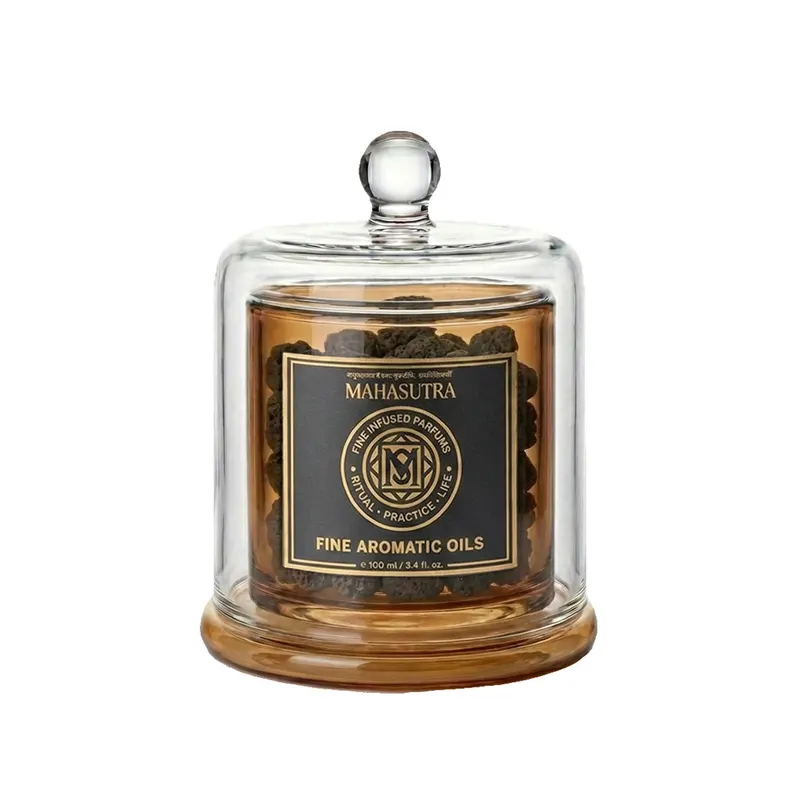
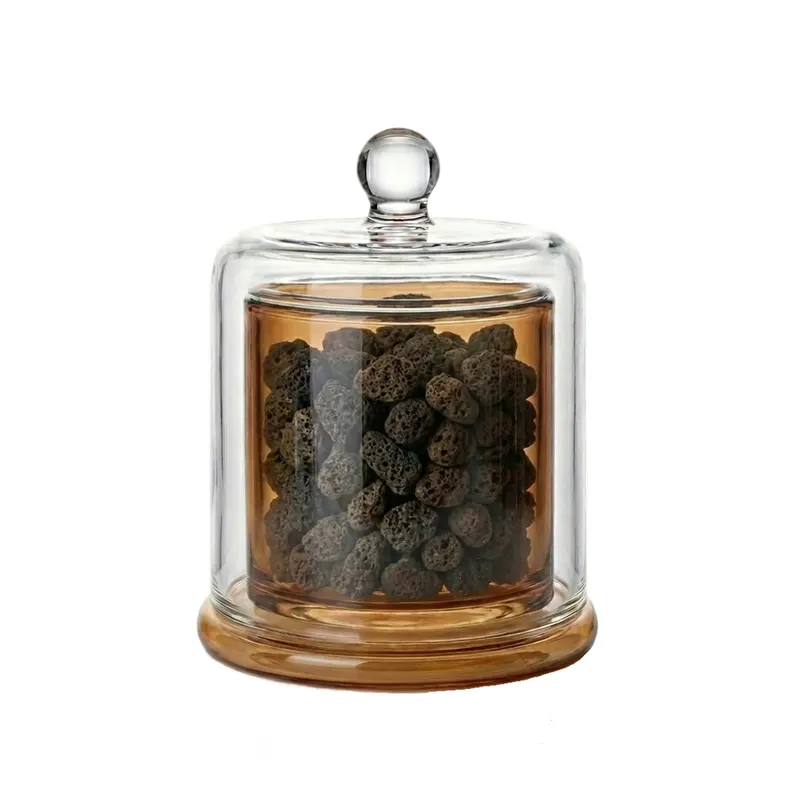
If you want scent without combustion, a reed diffuser, lava stones or a ceramic diffuser scents a room with no flame and no soot. Our guide on how to make your home smell good compares every method. If you have pets, read are essential oils safe for pets? as well.
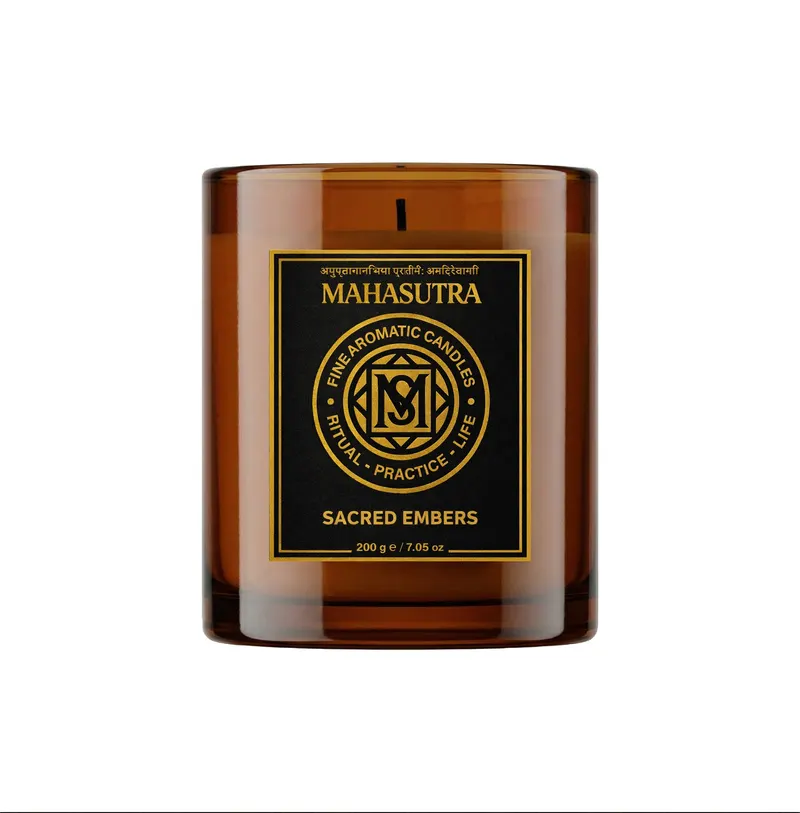
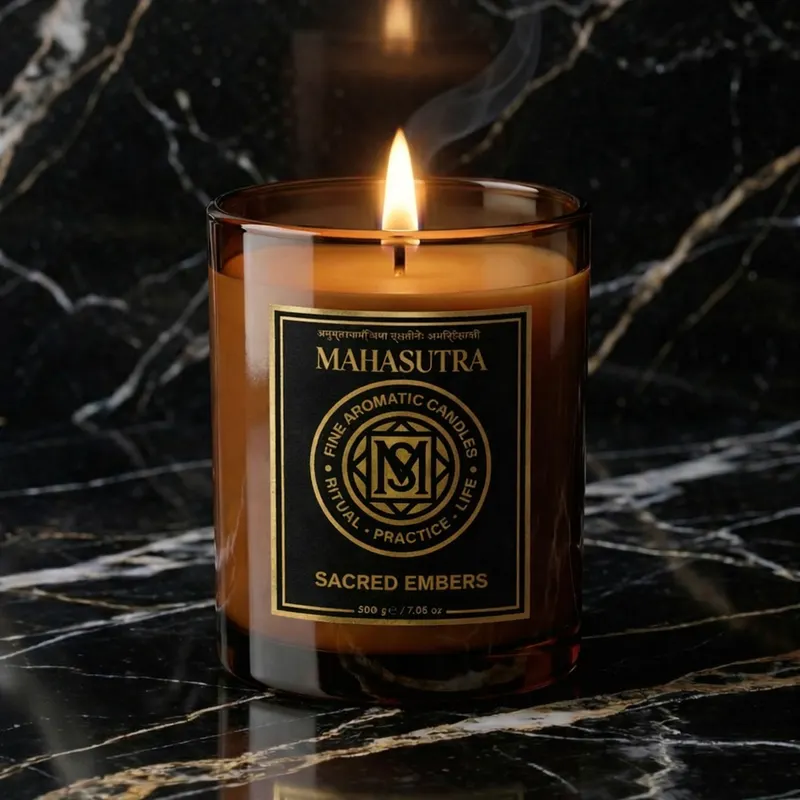
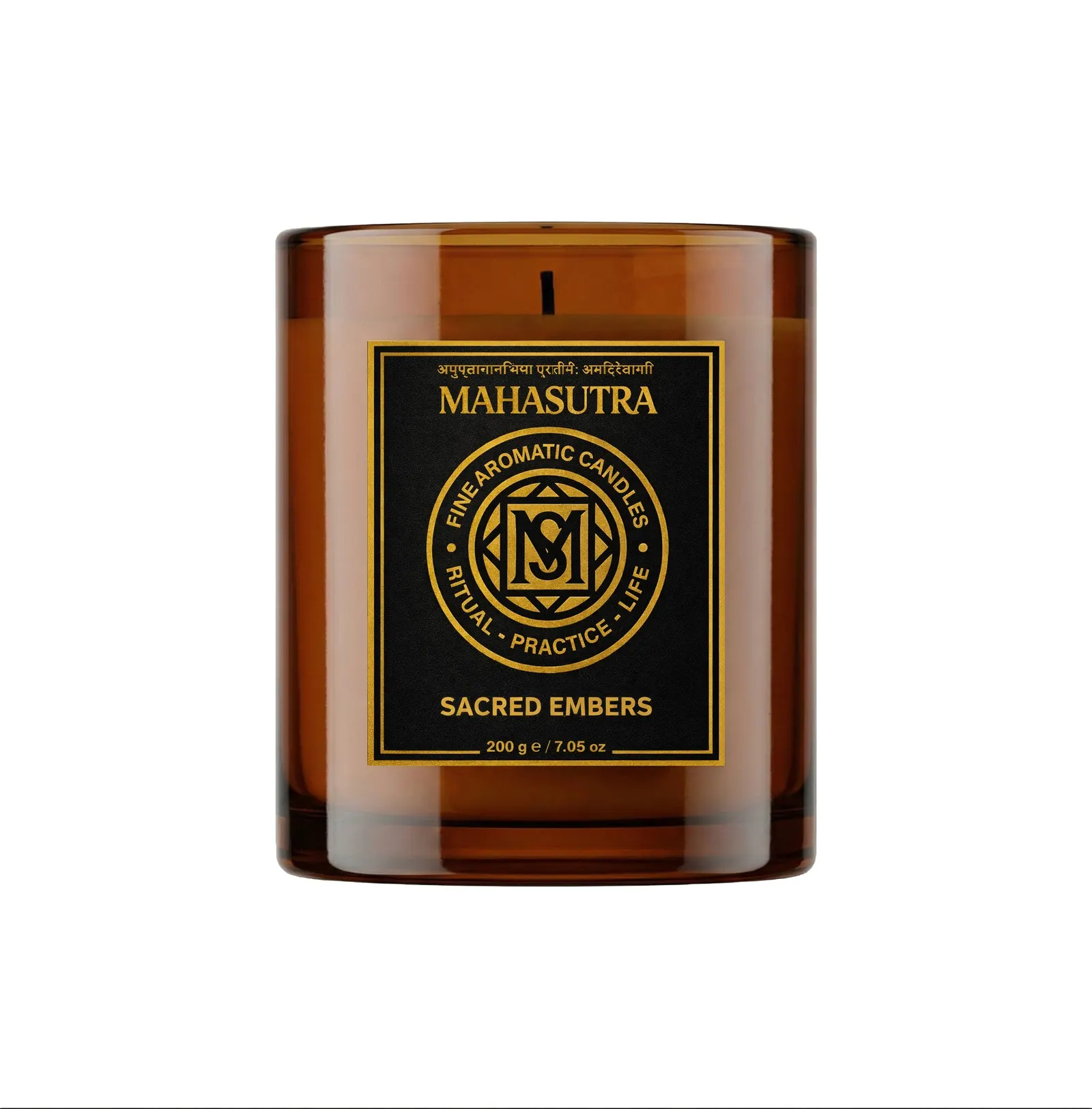
And when you do burn a candle, our Fine Aromatic Candle is made for a clean, even burn, with a natural wooden wick in a coconut, apricot kernel and soy wax blend.
Common questions
Are scented candles bad for your health?
Controlled studies found most emissions stayed below indoor air guide values in a ventilated room. Candles are a small source of indoor pollution compared with cooking or smoking.
Is it bad to burn candles every day?
Not for most people if you ventilate, trim the wick and burn for no more than three to four hours. People with asthma may prefer flame-free options.
What is the healthiest way to burn a candle?
Trim the wick, avoid draughts, ventilate, limit burns to three to four hours and snuff rather than blow out.
Sources
- Salthammer T et al. Measurement and evaluation of gaseous and particulate emissions from burning scented and unscented candles. Environment International, 2021;155:106590
- Petry T et al. Human health risk evaluation of selected VOC, SVOC and particulate emissions from scented candles. Regulatory Toxicology and Pharmacology, 2014;69:55–70